
Build to Rent Tenant Benefits: From Nice-to-Have to Competitive Advantage
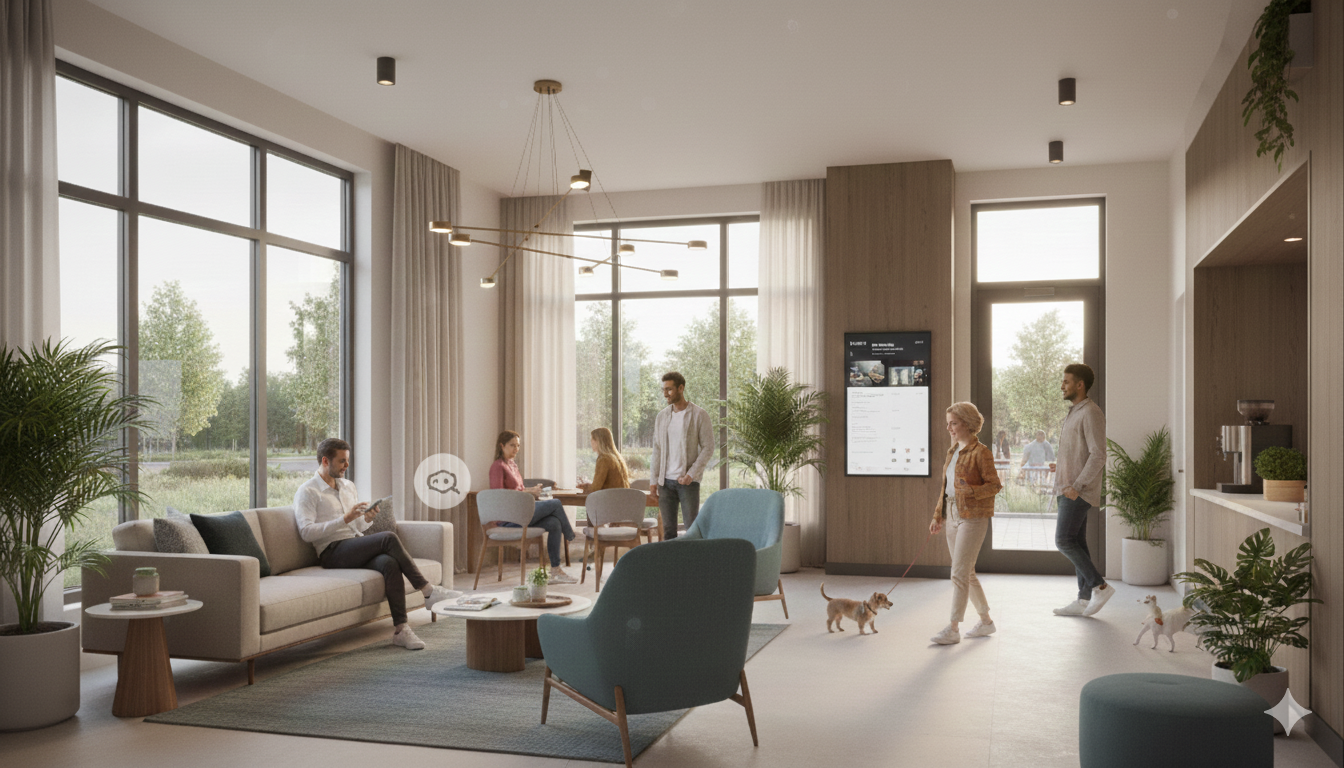
Build to Rent has reshaped what renters expect from their homes.
Residents aren’t just choosing a unit. They’re choosing a service model, one that promises convenience, consistency and value over time. For operators, that changes the equation. Tenant benefits are no longer a marketing extra; they are becoming part of how BTR assets perform.
As competition increases and margins tighten, the most effective operators are asking a sharper question:
Which tenant benefits actually improve retention and satisfaction without adding operational complexity?
What tenant benefits matter most in Build to Rent?
In Build to Rent, the tenant benefits that perform best are those that:
Reduce everyday friction for residents
Support longer tenancies and renewals
Deliver ongoing value, not one-off incentives
Integrate into existing operations with minimal uplift
These typically include digital-first services, community programming, flexible policies, and everyday savings delivered at key moments such as move-in and renewal.
Benefits that remove friction, not add complexity
At their best, BTR tenant benefits make life easier for both residents and operators.
This starts with fundamentals:
App-based communication and service requests
Clear maintenance workflows and response times
Transparent billing and predictable service charges
These may not be marketed as “benefits”, but they are often the strongest drivers of satisfaction and trust. If these don’t work, no perk will compensate.
Flexibility as a feature of modern renting
One of the clearest differentiators in BTR is flexibility.
Operators with strong renewal performance often offer:
Pet-friendly policies with clear frameworks
Internal transfer options within portfolios
Practical lease flexibility where possible
Flexibility reduces churn by accommodating life changes rather than forcing tenants to move.
Amenities that earn engagement
Gyms, co-working spaces and shared lounges are now standard across much of the BTR market. The difference between average and high-performing schemes is usage.
Effective operators focus on:
Ease of access and booking
Programming that reflects how residents actually live
Community-led use rather than static amenities
An amenity only becomes a benefit when tenants actively use it.
Community as retention infrastructure
Community-building in BTR has matured beyond occasional events.
Many operators now invest in:
Lightweight resident programming
Digital community platforms
Partnerships with local businesses and services
This creates emotional stickiness, a key driver of retention that traditional private renting struggles to replicate.
Financial value tenants can feel
As cost-of-living pressure continues, benefits that help tenants manage everyday spending have become more visible and more valued.
In BTR, this can include:
Exclusive discounts with local or national partners
Savings on broadband, utilities or moving services
Cashback on everyday essentials
These benefits reinforce the perception that the operator is actively supporting residents, not just providing housing.
A low-lift way to add everyday value: Rent Rewards
For BTR operators, the challenge isn’t ideas, it’s implementation.
Rent Rewards is a white-label tenant rewards platform designed for landlords, letting agents and Build to Rent operators. It plugs into existing tenant journeys with minimal operational uplift.
Through Rent Rewards, residents can access discounts and cashback on everyday spending, including groceries, broadband, furniture, tech, clothes and more. For operators:
No requirement for on-site teams to manage offers
No disruption to existing resident apps or portals
Automated delivery aligned to moments like move-in and renewal
Behind the scenes, affiliate commission is generated from tenant spending. This creates passive income that operators can retain or reinvest into resident experience, community initiatives or service improvements, without touching rent.
For residents, it feels like a genuine benefit.
For operators, it behaves like infrastructure.
Digital-first, but service-led
BTR residents expect seamless digital experiences, but still value human support when it matters.
High-performing operators combine:
Intuitive resident portals
Proactive communication and reminders
Easy escalation to real people
Digital tools should reduce friction, not create distance.
Benefits delivered at the right moments
One of the biggest shifts in BTR tenant experience is timing.
Rather than pushing all benefits all the time, effective operators surface value at:
Move-in and home set-up
Lease renewal points
Changes in household or working patterns
Benefits delivered at these moments feel relevant rather than promotional, driving higher engagement and recall.
From perks to platform
The BTR sector is moving away from one-off perks toward benefit ecosystems, curated platforms that evolve with tenants over time.
Operators who treat tenant benefits as part of their operating model, rather than a marketing bolt-on, are better positioned to compete as the market matures.
Plug-in platforms like Rent Rewards reflect this shift: adding everyday value for residents, generating passive income for operators, and doing so with minimal operational lift.
Key takeaways for Build to Rent operators
Tenant benefits now influence retention and asset performance
The strongest benefits reduce friction and support everyday living
Timing matters more than volume
Plug-in platforms allow operators to add value without operational complexity
Passive income models help fund resident experience without raising rents
