

The Competence and Conduct Standard: A Practical Guide for Housing Associations
A practical guide to the RSH Competence and Conduct Standard for housing associations: scope, qualifications, service providers, tenant influence and a 90-day readiness plan.

Retention Is the New Yield: What Build-to-Rent Teaches Every Private Landlord
Build-to-rent operators treat tenant retention as an operational priority. Here are five practical lessons private landlords can apply, from repair response to resident benefits.

Beyond the Keys: Newcastle Residential Launches Rent Rewards for Tenants
Newcastle Residential has launched Rent Rewards, giving eligible tenants access to optional everyday offers alongside its lettings and property-management service.

SHAL Housing Launches Resident Rewards Alongside Its Practical Support
SHAL Housing has launched Rent Rewards, giving eligible residents an optional way to explore everyday offers alongside its established advice, hardship and community support.

Séjour Expands Its London Resident Perks with Rent Rewards
Séjour has launched a branded Rent Rewards portal, helping eligible residents find local and wider everyday offers alongside its design-led London living experience.

Closed User Groups: How Brands Can Reach Renters Through Trusted Partner Channels
How closed user groups help brands reach verified renter audiences through trusted housing-partner channels.
What STAIRs Means for Housing Association Transparency: A Practical Readiness Guide
A practical guide to STAIRs readiness: confirmed deadlines, publication controls, board assurance measures and an illustrative capacity model.
Build-to-Rent in 2026: The Pipeline Signals Operators Should Watch
What Q2 2026 pipeline data mean for BTR operators: separate operating stock from future supply, test local competition and connect resident value to measurable outcomes.

The Letting Agent White-Label Playbook: How Tenant Benefits Become Your Competitive Edge
A practical playbook for letting agents using white-label tenant benefits to add everyday value under their own brand, with no upfront or ongoing Rent Rewards costs.

A 30/60/90-day plan for launching resident benefits
A practical 30/60/90-day launch plan for landlords, agents and housing associations: build trust, make benefits relevant and improve the resident experience.

How can housing associations put a credible value on tenant engagement? This practical guide explains outcome measurement, beneficiary evidence and social value reporting, with a worked example and guidance on Rent Rewards’ no-cost, income-generating, fully managed programme.

Why Build to Rent operators are making practical tenant savings and everyday value part of a stronger resident proposition.

While the UK average gross yield stands at a steady 5.8%, rising interest rates and frozen thresholds mean many leveraged, higher-rate personal landlords are actually facing negative cash flow. Discover the critical differences between personal and limited company ownership, upcoming 2027 tax hikes, and why tenant retention has become the most effective financial lever to maximize your net returns in 2026.

Discover how 20 government-backed pilots across England are using a £2 million Social Housing Innovation Fund to move beyond basic satisfaction forms. Explore 10 innovative models - spanning mobile outreach, digital safety platforms, and survivor-led governance - designed to meet the Regulator of Social Housing's strict new standards.

In a contracting market with a net balance of -17% for new instructions, letting agents must shift their strategy to survive. Learn 5 concrete actions to win full-management instructions, build compliance trust under the Renters' Rights Act, and leverage tenant retention to stand out in 2026.
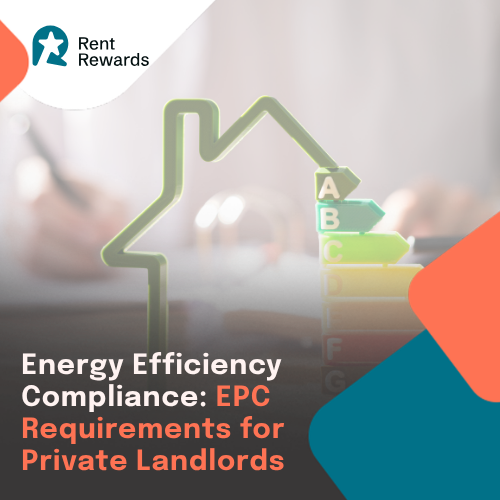
A practical guide to EPC requirements for private landlords, including the 2030 EPC C deadline, compliance costs, funding options, and ways to improve tenant satisfaction and retention

The latest Regulator of Social Housing TSM analysis reveals that overall tenant satisfaction has flatlined, and nearly 1 in 5 tenants report active dissatisfaction. For housing association boardrooms, TSM performance is now a direct governance and regulatory risk. Read our full analysis to explore what the 2024/25 data really shows and how to strengthen your resident relationships.
Discover housing association tenant retention strategies that improve engagement, support tenant wellbeing, reduce turnover, and help build stronger, more connected communities.
Helping housing associations improve tenant financial wellbeing, reduce financial pressure, and boost resident engagement through practical support, rewards, and smarter community-focused initiatives.
The Renters' Rights Act brings significant changes to the private rental sector. Stay informed with our essential guide on new regulations, compliance requirements, and what every landlord needs to do to prepare.